
Sleep tourism means travel focused on good sleep and recovery. How do you choose a hotel that truly supports a restful night?
Sleep tourism is about more than a comfortable bed. Silence, room darkening, temperature, location and the way you plan the day also matter. More people are booking trips not only to see sights, but simply to sleep well and recover.
Sleep tourism: travel for better sleep
Sleep tourism is a trend in which sleep and recovery become reasons to travel, not merely side effects of staying overnight. Rather than choosing a hotel solely for its location or number of attractions, travellers pay more attention to conditions that support rest.
The scope of such trips is broad. They may include specialist sleep-quality programmes or simply a weekend in a quiet place where getting enough good sleep is the priority.
This changes how we view a hotel. A room is no longer just somewhere to return to late at night. Its facilities, location and surroundings become part of the good-sleep experience.
Research on sleep and recovery shows that chronic sleep restriction is linked to both greater susceptibility to infection and impaired cognitive function. A trip focused on rebuilding your strength is therefore an ideal time for deep recovery, especially if it lets you switch off from work, relax and regain energy. Research on recovery after work shows that psychological detachment from responsibilities and relaxation are key elements of effective rest. This does not mean being inactive all day—moderate physical activity and enjoyable, pressure-free activities can also help.
Good sleep starts with the room
How can you choose a hotel for a good night's sleep in line with the sleep tourism trend? Start by checking the room itself, rather than focusing only on shared areas and hotel attractions.
When planning a trip where good sleep is the priority, review the offer for specific technical amenities.
Before deciding, check a few basic features of the property and its location.
- Room darkening: blackout blinds or curtains that completely block outside light.
- Sound insulation: soundproofed entrance doors and windows facing streets or traffic routes.
- Bed quality: a medium-firm mattress and a choice of pillows with different fillings.
- Air conditioning: precise temperature control; at night, it should be set to 18–19°C.
- Surroundings: away from main roads, railway tracks and noisy entertainment areas.
- Read previous guests' reviews for specific terms such as noise, comfortable beds or loud in-room refrigerators. Can you expect a full reset in a place where conversations can be heard through the wall? This takes a few minutes and helps avoid disappointment on arrival.
The hotel's location matters for good sleep
A hotel may offer an attractive view while being in a place where a peaceful night is difficult. Before booking, check not only the address but also the character of the surrounding area.
The city centre offers easy access to restaurants and attractions, but often also more traffic, light and noise. A property outside the city offers different benefits: an evening walk, fewer stimuli and an easier way to limit planned activities.
For a sleep-tourism trip focused on good sleep, the daily schedule also matters. Intensive sightseeing, a late dinner and returning to the room just before midnight do not support rest, even if the hotel itself provides good sleeping conditions.
The location should therefore match the trip's purpose. If good sleep and recovery matter most, a quiet town or hotel outside the main centre may be a wiser choice than a property on a busy tourist street.
Gallery | Głęboczek Vine Resort & SPA
See the interiors, wellness area and surroundings of a property that perfectly reflects the sleep tourism trend.
gleboczek.plWellness can fit your evening routine
Sleep tourism often combines with wellness, but a pool, sauna or massage will not automatically improve sleep quality. They can, however, support a calmer daily rhythm when used early enough and without overstraining the body.
Consider hotels with an on-site wellness area. A pool, jacuzzi or sauna lets you plan the evening without extra travel or transfers.
Before booking, also check the wellness area's opening hours. If they are not listed on the hotel's website, ask before arrival. This is especially important when the stay is planned primarily for good sleep.
The hotel's dining options deserve similar attention. A light dinner eaten early enough may be more practical than a late, heavy meal. Information about dinner hours and the menu is therefore useful. Pair your trip for better sleep with tasty meals made from local produce, in line with the slow food philosophy.
Example: Głęboczek Vine Resort & SPA
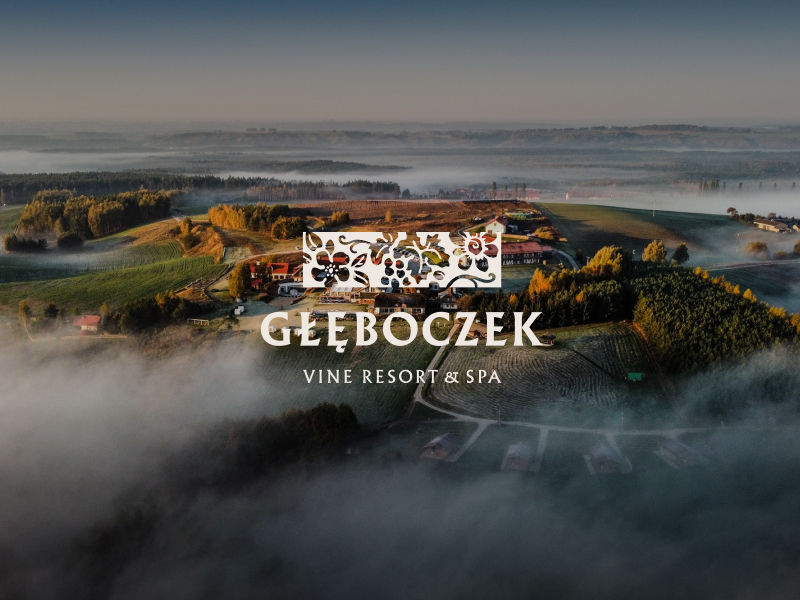
Głęboczek Vine Resort & SPA is one place that reflects the sleep tourism trend. It lies by Lake Forbin, on the border of the Brodnica Lake District and Masuria. Accommodation includes hotel rooms, rooms in the Osada and glamping options.
Osada rooms offer air conditioning, a mini fridge and coffee and tea facilities, allowing guests to maintain their own daily rhythm.
The lakeside location is ideal for walks around Lake Forbin. Birdwatching and walking trails in Brodnica Landscape Park are also excellent ideas for light, calming daytime activities, encouraging deep contact with nature and easier evening relaxation. In winter, the nearby Kurza Góra Ski Resort is open.
The wellness area includes a year-round indoor pool, an outdoor summer pool, jacuzzi and sauna area with Finnish, infrared and flower saunas. There is also a health area with a vitality pool at around 12°C, intended for cold-water bathing.
Vine SPA offers wine therapy, with over 70 body and facial treatments and rituals.
The property is also home to Morelino Restaurant. Chef Marian Frankowski's signature seasonal menu is based on products from local suppliers, making a meal part of a calm daily plan.
The property is 1.5 to 3 hours by car from Toruń, Bydgoszcz or Warsaw, making it easy to plan a short restorative trip for better sleep.
Summary
Good sleep while travelling depends on more than mattress quality. Silence, room darkening, temperature, location and how you plan the day also matter.
Before booking, check a few specific details rather than relying only on photos and the number of hotel attractions. If recovery is the goal, choose a time and place that let you truly slow down, then check availability for your chosen room.
Check the calendar and look for dates outside peak season, which further increases the chance of a quiet, successful stay in line with the sleep tourism trend.
FAQ: sleep tourism and good hotel sleep
What defines the sleep tourism trend?
Sleep tourism is a form of travel in which sleep quality and recovery are important aims of the stay. It may include specialist programmes or a hotel chosen for its peaceful conditions for good sleep.
How do you choose a hotel for a trip focused on good sleep?
Check noise levels nearby, whether the room can be darkened, temperature controls, the bed type and the room's location. Restaurant and wellness opening hours may also be useful.
Why is good sleep important?
Sleep is one of the basic elements of recovery. Its quality affects daytime functioning, so on a trip focused on rest, create conditions that do not hinder overnight recovery.
How can you support good sleep?
Keep sleep times as regular as possible, limit intense late-evening activities and choose a quiet, suitably darkened room. Also leave time without your phone, work or extra plans.
Is a wellness hotel necessary for a sleep-focused trip?
No. Wellness can support relaxation, but room conditions and a calm daily rhythm come first. A hotel does not need extensive facilities to provide good conditions for recovery.
Andere Ereignisse